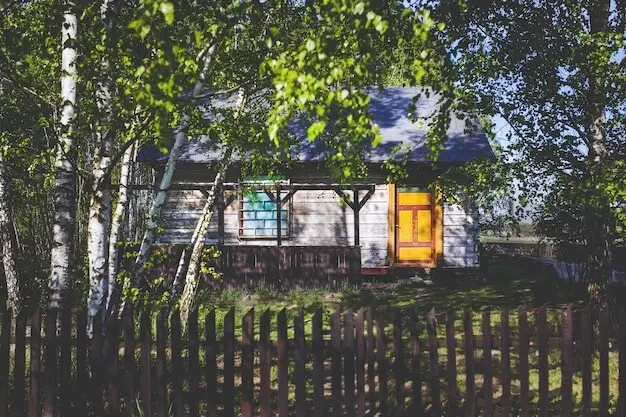
Wild Abundance Between Peaks and Sea

Today we venture into Seasonal Foraging, tracing edible abundance from Alpine meadows to Adriatic cliffs. We’ll read weather, watch flowers and fungi, and gather with care, then translate these finds into bright ferments and wood-fired plates. Expect grounded advice, stories from trails and harbors, and invitations to share discoveries, questions, and successes with a welcoming community across this varied, beautiful region.

Reading the Landscape

Respect, Safety, and Lawful Harvesting

In mountains and along the coast, rules vary by municipality and border. Many Alpine provinces require mushroom permits and limit daily weights; parks often forbid rooting or digging. Start with updated local guidelines, then apply conservative ethics: pick lightly, avoid scarce species, step gently, and leave no trace. Your certainty, patience, and humility protect landscapes, protect you, and keep doors open for everyone tomorrow.

Sun, Shade, and Gentle Airflow

Slice mushrooms evenly, thread on twine, and dry in moving shade away from smoky roads. Nettles and herbs prefer mesh racks; chestnuts cure in baskets before storage. Finish in a low oven only if humidity lingers. Store in breathable containers with bay or rosemary to discourage pests, and taste-test monthly to learn how aromas evolve through time.

Brines, Vinegars, and Flavorful Salts

Make a bright paste from wild garlic with coarse salt, then dry into crystals that perfume winter soups. For sea fennel, use a 3–5% brine, weigh down, and burp jars during early bubbles. Quick-pickle tender stems with equal parts vinegar and water, sugar to taste, and whole spices. Label harvest spots and dates; terroir shines differently jar to jar.

Cold, Blanching, and Texture

Freeze berries on trays, then bag; they keep shape and pour easily into breakfasts. Blanch nettles briefly to lock green, squeeze dry, and freeze in tidy pucks. Sauté mushrooms before freezing to protect texture and flavor. Keep a running inventory on the freezer door, celebrate empties, and design menus that rotate stock before next season comes calling.

Ferments That Taste Like Place

Wild-caught microbes and mineral-rich water sketch the flavors of ridgeline farms and stony coasts. With simple salt and time, greens grow lively, buds mellow, and stems sing. Keep temperatures steady, lids loose, and fears smaller than your curiosity. A few jars become a pantry choir, bridging seasons, inviting wood-fired meals, and stitching memories to every tangy, crackling bite you share.

Wild Garlic Kraut for Bright Spring Meals

Shred cabbage thin, toss with 2% salt by weight, and knead until brine forms. Fold in chopped wild garlic, a touch of caraway, and pack firmly beneath liquid. Ferment around 18–21°C, tasting after a week. When it sings, chill. Layer onto ember-blistered flatbreads, grilled trout, or soft eggs, letting sharpness lift smoky richness without overwhelming delicate spring textures.

Karst Fennel and Olive Leaf Brine

Rinse sea fennel and young olive leaves, then submerge in 4% salt brine with lemon zest and peppercorns. Tuck a grape leaf atop as a natural tannin source, weighing everything below the surface. Ferment cool and patient. Bright, resinous notes pair beautifully with sardines, roasted peppers, or aged sheep cheese, carrying coastal cliffs to your table in every forkful.

Spruce Tip Honey, Vinegar, and Bubbling Sodas

Layer fresh spruce tips with local honey and time them into a syrup that smells like sunlight through resin. Let some ferment into vinegar, then build bright shrubs or wild sodas with ginger starter. A little poured over warm bread or grilled cheese tastes like a green breeze, gentle sweetness, and the memory of high, humming forests.
Chestnuts, Mushrooms, and Ember Magic

Score chestnuts to prevent bursts, then tumble into deep embers, stirring until shells blacken and flesh turns sweet. Thread porcini or parasol slices onto skewers, brush with oil, and kiss with smoke. Keep a lidded pan nearby to trap steam for tenderness. Serve on paper with salt and laughter, fingers sooty, pockets warm, night air bright.

Flatbreads and Wild Herbs

Mix high-hydration dough in the morning, fold gently, and rip portions onto a hot stone or pan. Smear with nettle purée, scatter ramsons, or crush dried oregano and thyme you picked along terraces. Close the door to trap heat, then finish open for flame-kissed blisters. Tear, drizzle oil, add kraut, and watch quiet ingredients suddenly sing.

Smoke, Sardines, and Coastal Greens

Rake coals beneath a grate, brush with oil, and lay sardines down, heads toward hottest spots. Toss sea fennel, lemon, and olives in a bowl, then heap beside sizzling fish. A few fig leaves shield delicate flesh and perfume gently. Eat outdoors, napkins forgotten, the sea close by even if only imagined through flavor and story.

Stories Along the Way
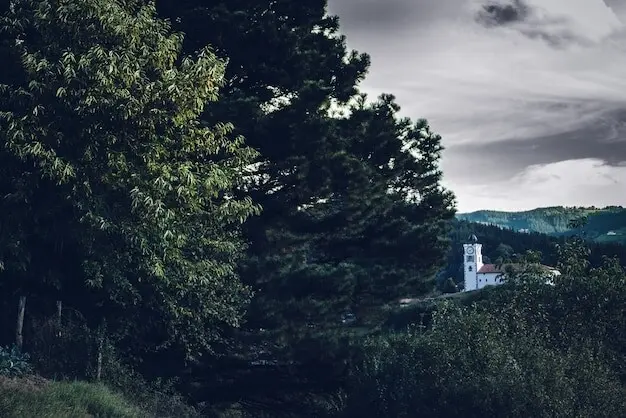
Journeys stitch meaning to meals. A stranger’s advice becomes the trick that saves a batch; a child’s observation reveals a patch others missed; a sudden storm teaches humility and better packing. These gathered moments enrich every jar and ember, reminding us why we share, learn, and return, quietly grateful for landscapes that keep teaching without end.

Join the Gathering

Your experiences, recipes, and questions help shape a generous, resilient food culture from peaks to harbors. Share what you’re finding, what confuses you, and what you’ve learned. Subscribe for seasonal notes, simple checklists, and workshop news. Comment generously, correct kindly, and request deep dives; our shared table grows richer whenever curiosity meets patience and neighbors swap knowledge with open hands.
Ravovarokentovelto
Privacy Overview

This website uses cookies so that we can provide you with the best user experience possible. Cookie information is stored in your browser and performs functions such as recognising you when you return to our website and helping our team to understand which sections of the website you find most interesting and useful.