Silver Halide Between Summits and Shores
Grain Against the Sky
Choosing Cameras That Endure Altitude
Film Stocks for Ice-Bright Mornings
Protecting Emulsion From Cold and Condensation
Salt, Sun, and Timeless Color
Composing Height and Horizon
Foreground Anchors and Story Clues
Crampons on a ledge, a coil of rope, or driftwood etched by tides transform distance into narrative. Place small clues near the frame’s edge to suggest direction and time. Layer mid‑ground textures—scree, shrubs, foam patterns—to deepen space. Zone focus when moments move quickly, and guard your edges from distractions. Let tactile elements whisper context, turning a postcard view into a lived, specific memory with weight and smell.
Balancing Sky Dominance
When clouds sculpt light, give the sky permission to lead; when texture lies underfoot, lower the horizon and celebrate ground. Graduated filters or careful development retain highlight nuance without choking shadows. Bracket sparingly, trusting a consistent baseline. Keep horizons level or decisively angled with intent. On color negative film, expose generously for shadows; on slide film, prioritize highlights. Let proportion reinforce emotion rather than follow a rigid, universal rule.
Working With Human Scale
A hiker cresting a snow ridge or a swimmer slicing dawn water transforms abstraction into empathy. Seek gestures—an ungloved hand warming on a cup, a salt‑soaked smile near nets. Telephotos compress cliffs and coves, while medium format isolates presence with gentle falloff. Ask permission when appropriate, respect boundaries, and wait for authentic pauses. Scale is not a measure alone; it is a bridge between viewer and place.
Metering Mastery for White Peaks and Bright Shores
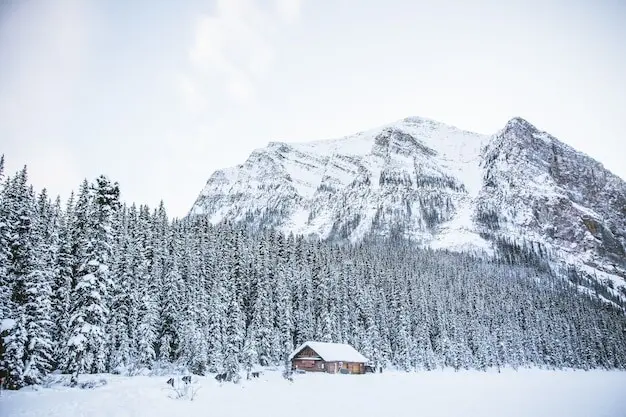
Traveling Through Airports and Mountain Passes
Multiple X‑ray scans accumulate, especially for faster emulsions, so ask for hand checks when possible and separate high‑speed rolls. Lead bags can invite stronger scans; be transparent and patient. On buses and switchbacks, cushion gear with clothing, cap lenses, and keep film dry. Mountain tunnels swing temperatures wildly; let canisters acclimate sealed. At borders and ferries, avoid checked baggage, and watch humidity during overnight crossings with diligent, quiet vigilance.
Field Workflow and Notes
A small pencil never freezes, and cards never crash. Record film type, exposure, filter, and a few words about light. Number rolls clearly and anchor them to places: Triglav sunrise, Split harbor dusk, Dolomites shade. These notes simplify lab instructions, scanning choices, and future edits. They also preserve the emotional spark that data alone misses, ensuring each contact sheet becomes a map back to feeling and intent.
Finding Labs and Handling Scans
Research regional labs for C‑41, E‑6, and black‑and‑white processing, then communicate push or pull needs clearly. Request high‑bit TIFFs, choose Noritsu or Frontier based on color preference, and budget time for dust cleanup. At home, a DSLR scanning rig with a steady light source and film holders gives control. Learn gentle spotting, avoid excessive sharpening, and keep reference frames to orient colors when memory grows distant.
Archival Rituals and Storytelling
All Rights Reserved.