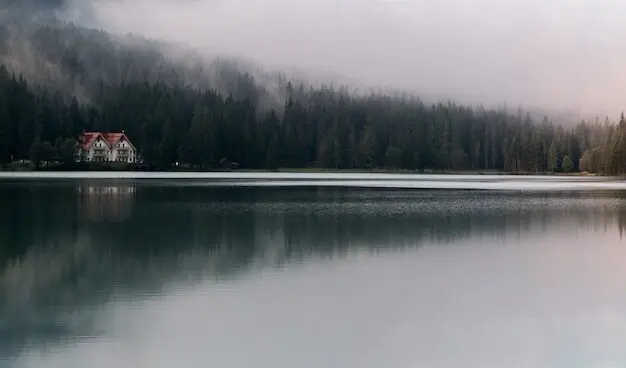
Stone, Wood, and Breath: Alpine-Adriatic Homecraft Reimagined

Today we explore Vernacular Low-Tech Homes: Masonry Heaters, Timber Joinery, and Lime Plaster in the Alpine-Adriatic, celebrating techniques that turn local stone, forest timber, and slaked lime into quiet comfort and durable beauty. Expect stories from valleys where beech fires warm tiled benches, mortise-and-tenon frames sway yet stand, and limewashed walls balance moisture with grace. Read, ask questions, share memories, and subscribe if these ancestral skills spark ideas for your own dwelling or renovation journey.

Fire Held in Stone: The Living Core of Radiant Warmth
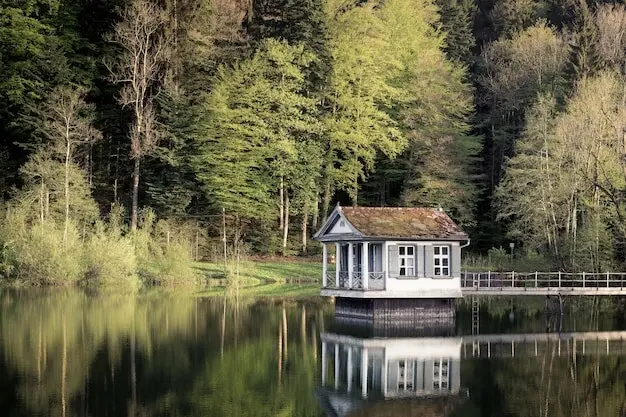
Across Carinthia, Friuli, and the Slovene Karst, masonry heaters gather morning chill and give back hours of calm, even heat. Their winding flues tame brief, hot burns into steady radiance, drying boots, easing joints, and hosting slow pots. Builders tune mass and channels to each room’s rhythm, pairing tried layouts with local brick or stone. Share how you fire yours, what wood you stack, and which benches become favorite perches during winter evenings when conversation drifts as embers settle.
A compact, intense fire charges the core while smoke courses through chambers that patiently absorb its energy. Long after flames vanish, the masonry releases gentle infrared warmth that soothes without drying air or kicking dust. This radiant comfort reaches bodies and objects directly, avoiding bursts and drops typical of thin metal stoves. Tell us where your heater sits, how its mass meets your mornings, and whether the quiet warmth changes how your family gathers, cooks, and rests together.
Some households swear by one brisk burn at dawn, others prefer two lighter charges bracketing dusk. Beech splits dominate many sheds, while larch, spruce, and hornbeam shape distinctive smells and coals. Stoves thrive on fully seasoned wood, careful kindling pyramids, and short, disciplined cycles that keep flues clean and neighbors happy. Add your method, tools, and timing below, especially if an elder taught you a match-lighting trick, or if your valley’s wind demands unique damper choreography on stormy nights.
Ceramic tiles store heat and delight the eye, while plastered curves invite backs and hands throughout cold seasons. Niches dry herbs, warm slippers, and proof loaves beside a small bake chamber that turns stew day into celebration. Proper clearances, robust hearth foundations, and thoughtful ash doors keep everything safe and tidy. Post photos of your favorite kachelofen patterns, bench cushions, or copper kettles, and tell us which family recipes sing best with the patient, enveloping heat rising through glazed surfaces.

Frames That Flex: Joinery Shaped by Weather and Time

Mortise-and-Tenon Geometry That Teaches Resilience

Careful shoulders bear compression while draw-bored pegs pull joints tight without metal, letting fibers settle as timber seasons. Craftspeople orient growth rings, relieve shrinkage, and avoid split-prone locations, shaping connections that stay snug yet forgiving. Braces triangulate loads, while sills on stone keep damp at bay. Share your experiences with green-to-seasoned transitions, layout tricks using story sticks, and whether you prefer oak pegs, locust, or ash. Your notes may guide a newcomer carving first mortises on a snowy weekend.

Scarf Joints Over Passes and Rooflines

When ridges demand longer spans than a single tree allows, scarf joints bridge the distance. Tabled or bladed forms with housed shoulders and pegs transfer tension and shear, while neat lamb’s tongue stops soften stress risers and shed water. A well proportioned scarf turns separate histories into one beam answering snow, wind, and time. Tell us which profile you trust in your climate, and how you protect long members during raising day when weather loves testing patience, teamwork, and cranes.

Maintenance: Oil, Limewash, and Watchful Eyes

Low-tech endurance depends on small, steady habits. Linseed oil renews cladding, limewash brightens walls and deters fungi, and flashing checks stop drips before they chase grain. Capillary breaks under sills, generous eaves, and breathable finishes keep moisture predictable. Record a seasonal checklist, noting pegs, checks, and bird nests near vents. Share how you set ladders safely, schedule treatments around pollen, and handle powderpost beetle signs without panic. Your routine may save another builder headaches and keep frames singing through storms.

Walls That Breathe: Lime, Sand, and Gentle Science

{{SECTION_SUBTITLE}}

From Kiln to Putty: Slaking With Patience
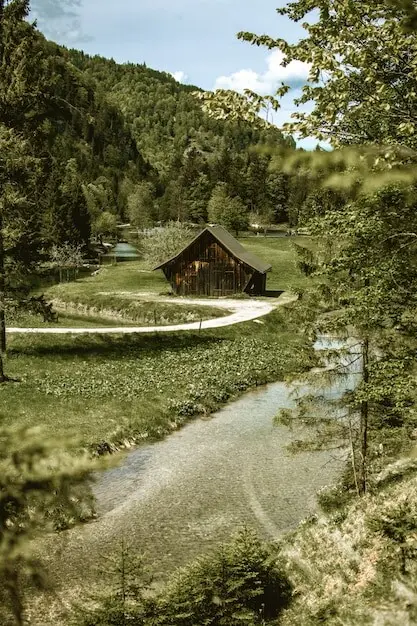
Quicklime hisses into water, releasing heat that demands goggles, gloves, and calm. After slaking, the putty rests, sometimes for months, improving workability and strength as crystals refine. Maturity rewards the trowel, reducing effort and surprise. Small kilns or regional suppliers provide characterful lime, but storage and cleanliness matter. Describe your slaking vessels, screening habits, and winter strategies to prevent freezing. New readers will appreciate candid notes on safe mixing stations, labeling buckets, and why patience beats haste when plaster must truly breathe.

Choosing Aggregates and Fibers for Texture and Strength

River sands lend rounded grains for buttery finishes, while crushed limestone sharpens grip in base coats. Grading governs suction and shrinkage, and a pinch of hemp, straw, or hair can bridge micro movement. Scratch coats bite, brown coats flatten, finish coats polish expectations into light. Tell us your favorite ratios, sieve sizes, and damp-curing tricks along shaded walls. Include stories about sourcing clean sand after floods, testing jars for silt, and keeping buckets covered when alpine breezes try stealing moisture overnight.

Materials From the Neighborhood: Forests, Quarries, and Yards
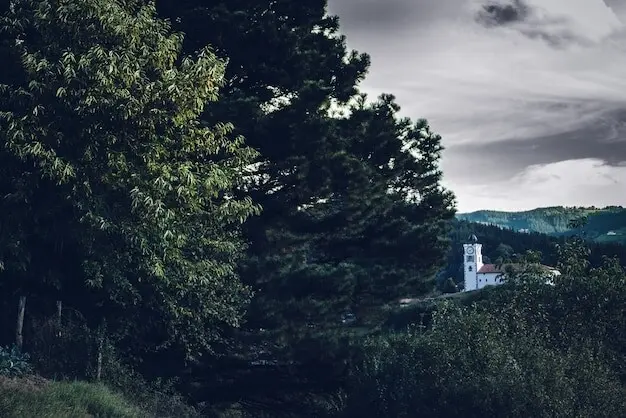
Place based building starts in nearby woods, on limestone hills, and at small gravel pits where honest materials wait. Community foresters mark selective cuts, quarries supply sound blocks, and quiet kilns burn stone into life-giving lime. Short supply chains reduce transport emissions and increase trust. Post leads to ethical mills, family kilns, or river sand operators who still respect seasonal flows. Together we can map sources, encourage stewardship, and keep tomorrow’s houses speaking the language of the soils beneath our boots.

Wood Stewardship and the Gift of Storm-Felled Logs

After heavy winds, forest crews salvage downed trees that might otherwise rot. With permits and care, these logs become beams and boards that honor the storm by sheltering families. Milling schedules follow sap content, while stack stickers and covers promote gentle drying. Share your contacts for community mills, tips for sealing ends, and species notes about beech’s movement or larch’s durability. Stories of neighbors pooling tractors and coffee on muddy landings inspire resilient networks that begin before blueprints and continue long after roofs dry.

Reviving Small Lime and Stone Supply Chains
Not all limestone burns alike, and small batch producers often guard nuanced firing curves that yield workable, forgiving binders. Buying local supports revival of heritage kilns and craft jobs, while keeping knowledge on home ground. Partnering with quarries also ensures consistent aggregate and traceability. Tell us which cooperatives deliver dependable fat putty, how you validate quality, and whether you track recarbonation timelines on projects. These insights help others escape one size fits all binders and build walls that age with grace.

Rooms Shaped Around the Hearth: Habits Become Architecture

A well placed masonry heater turns circulation into comfort. Kitchens lean closer, benches invite naps, and laundry dries on rails above warm passageways. Windows and doors cue breezes that temper seasons, while porches and vestibules buffer shocks. In the Alpine-Adriatic, these patterns matured from chores, not blueprints, yet feel timeless. Show your floor sketches, circulation loops, and favorite morning spot beside the stove. Practical drawings, shared generously, help others align mass, sun, and work so daily life flows with friendly momentum.

Quiet Efficiency: Comfort, Carbon, and Durability Without Gadgets

Low-tech houses read climate rather than overpower it. Heavy cores flatten temperature swings, shutters blunt heatwaves, and breathable walls dry themselves. Embodied carbon drops when we pick local stone, salvaged beams, and hand mixed lime rather than foams and glues. Comfort arrives as a side effect of proportion and rhythm. Post your monitoring tricks, from simple thermometers to wood moisture meters, and tell us how you measure success. Your feedback loop can help others renovate patiently, beautifully, and with fewer regrets.
Ravovarokentovelto
Privacy Overview

This website uses cookies so that we can provide you with the best user experience possible. Cookie information is stored in your browser and performs functions such as recognising you when you return to our website and helping our team to understand which sections of the website you find most interesting and useful.